
How to Improve Fatty Liver Naturally: A Practical Guide to Diet & Lifestyle
Fatty liver means that excess fat has built up in the liver. It can occur for different reasons, and in many people it is associated with metabolic health, excess body weight, insulin resistance, diabetes or unhealthy eating patterns. Today, the term MASLD (metabolic dysfunction-associated steatotic liver disease) is commonly used for fatty liver associated with metabolic risk factors.
1. What Does Fatty Liver Mean?
The liver performs many important functions, including processing nutrients, helping with digestion and managing substances in the blood. When too much fat accumulates inside liver cells, it is described as steatotic liver disease.
Fatty liver can range from a condition with relatively little liver injury to forms associated with inflammation and scarring. That is why a diagnosis should not simply be treated as a diet problem. Your healthcare professional may recommend blood tests, imaging or other assessments depending on your situation.
Why lifestyle matters
Healthy eating, regular movement and appropriate weight management can help improve metabolic health and may reduce liver fat.
Why quick fixes are risky
Extreme dieting, rapid weight loss and unverified supplements are not good substitutes for evidence-based care.
2. Build a Liver-Friendly Eating Pattern
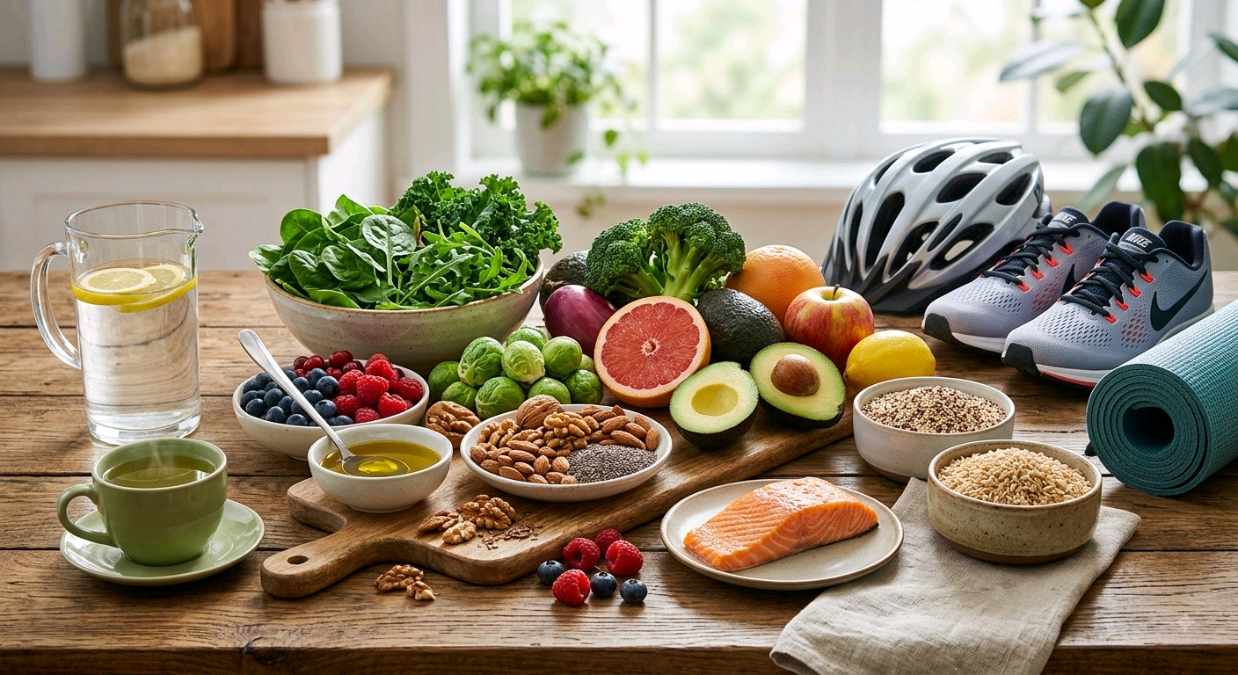
Instead of searching for one special food, focus on the overall pattern of your meals. A practical approach is to eat more minimally processed foods and reduce foods and drinks that are high in added sugar, saturated fat and excess calories.
Choose More Often
- Vegetables of different colors
- Whole fruits in sensible portions
- Whole grains and other high-fiber foods
- Beans, lentils and other healthy protein sources
- Fish or other lean protein options
- Nuts and seeds in appropriate portions
- Unsaturated fats in place of saturated fats
- Water and unsweetened beverages
Limit Where Possible
- Sugary soft drinks and sweetened beverages
- Foods with large amounts of added sugar
- Highly processed snack foods
- Large portions of refined carbohydrates
- Foods high in saturated or trans fats
- Frequent fried foods
- Excessive calories from snacks and beverages
NIDDK recommends limiting foods and drinks containing large amounts of simple sugars, including sweetened beverages, while emphasizing healthier foods such as fruits, vegetables and whole grains. It also recommends replacing saturated and trans fats with unsaturated fats where appropriate. 1
3. Foods That Can Fit Into a Healthy Liver Diet
| Food Group | Better Everyday Choice | Practical Tip |
|---|---|---|
| Vegetables | Leafy greens, carrots, peppers, tomatoes, broccoli and other vegetables | Try to make vegetables a regular part of your main meals. |
| Fruit | Whole fruits | Prefer whole fruit over sugar-sweetened fruit drinks. |
| Whole grains | Oats, whole-grain bread and other minimally processed whole grains | Replace some refined grains with higher-fiber options. |
| Protein | Beans, lentils, fish, eggs, tofu and lean protein choices | Choose preparation methods such as baking, steaming or grilling. |
| Healthy fats | Nuts, seeds and unsaturated-fat sources | Keep portions sensible because fats are calorie-dense. |
| Drinks | Water and unsweetened beverages | Make water your default drink whenever possible. |
4. Why Sugary Drinks Deserve Special Attention
Regular consumption of sugar-sweetened drinks can add substantial amounts of sugar and calories without providing much satiety. Soft drinks, sweetened teas, energy-style drinks and other sugar-heavy beverages can therefore make a healthy eating pattern harder to maintain.
5. Portion Control Can Matter Too
Even nutritious foods can contribute to excess calorie intake when portions are consistently larger than your body's needs. Rather than following an unnecessarily restrictive diet, pay attention to hunger, fullness and overall meal balance.
A simple plate approach
Build meals around vegetables, a suitable protein source and a sensible portion of a high-fiber carbohydrate or whole grain.
Reduce mindless eating
Eating directly from large packets, frequent snacking and drinking calories can make portion control more difficult.
6. Physical Activity and Liver Health
Physical activity is an important part of a healthy lifestyle. It can benefit metabolic health and may help with fatty liver even when weight loss is not the main outcome.
A useful general target for adults is around 150 minutes of moderate-intensity aerobic activity per week, although the right amount depends on your health, fitness and medical circumstances. NIDDK also notes that physical activity can provide benefits independently of weight loss. 2
Easy ways to move more
- Brisk walking
- Cycling
- Swimming
- Dancing
- Active household tasks
- Strength-building activities when appropriate
Start gradually
If you have been inactive, begin with manageable activity and increase gradually. You do not have to start with intense workouts to make healthier lifestyle changes.
7. Healthy Weight Management—Without Extreme Dieting
If you have overweight or obesity, your healthcare professional may recommend gradual weight loss. Even a modest reduction in body weight can reduce liver fat in people with fatty liver disease. NIDDK reports that losing around 3% to 5% of body weight may reduce liver fat, while greater weight loss may be needed to improve inflammation or fibrosis in some people. 3
8. Alcohol and Fatty Liver
Alcohol can contribute to liver injury, and people with fatty liver should discuss alcohol use with a healthcare professional. If you have been diagnosed with liver disease, do not assume that a small or large amount is safe for you without appropriate medical advice.
9. What About Detox Drinks, Herbal Remedies and Supplements?
Online claims about liver detox drinks, powders, herbs and supplements are common. However, “natural” does not automatically mean safe or effective.
Some supplements can interact with medicines or may even cause liver injury. NIDDK specifically advises people with fatty liver disease to discuss dietary supplements and complementary medicines with a healthcare professional. 5
10. A Simple Daily Habit Plan
| Part of the Day | Simple Habit |
|---|---|
| Morning | Start with a balanced meal and choose an unsweetened drink. |
| Daytime | Include vegetables, a healthy protein source and a high-fiber carbohydrate. |
| Movement | Take a walk or do another activity suitable for your fitness and health. |
| Snacks | Prefer whole foods such as fruit, vegetables or other nutritious options. |
| Evening | Avoid routinely eating very large portions or drinking sugar-heavy beverages. |
| Long term | Focus on habits that you can maintain rather than short-term detox programs. |
11. When Should You Talk to a Healthcare Professional?
Fatty liver can sometimes progress without obvious symptoms. If you have been told that you have fatty liver, or if blood tests or imaging suggest a liver problem, discuss the result with a qualified healthcare professional.
Medical advice is particularly important if you have diabetes, metabolic problems, abnormal liver tests, significant weight concerns, other liver conditions, or take medicines that may affect the liver.
12. Key Takeaways
Focus on
- Balanced meals
- More vegetables and whole foods
- Less added sugar
- Fewer sugary drinks
- Regular physical activity
- Appropriate portion sizes
- Gradual, sustainable lifestyle changes
Don't rely on
- “Liver detox” promises
- One miracle food
- Extreme fasting or crash diets
- Unverified supplements
- Internet claims that replace medical care
Related Posts
Explore More from LISTHaRaN
- Loading recommended posts...
Frequently Asked Questions
Can fatty liver improve with lifestyle changes?
In many people, lifestyle changes can reduce liver fat and improve metabolic health. The appropriate approach depends on the underlying cause and your overall health.
What is the best diet for fatty liver?
There is no single food that fixes fatty liver. A balanced eating pattern emphasizing vegetables, whole foods, high-fiber choices and appropriate protein while limiting added sugars and unhealthy fats can be helpful.
Are fruits allowed with fatty liver?
Whole fruits can generally fit into a balanced eating pattern. The bigger concern is often excessive intake of sugar-sweetened drinks and foods with large amounts of added sugar.
Can exercise help fatty liver?
Yes. Regular physical activity can support metabolic health and may benefit fatty liver, including benefits that are not dependent entirely on weight loss.
Is a liver detox drink necessary?
No special detox drink should be considered a replacement for healthy eating, physical activity or medical care. Some supplements and herbal products can also be harmful to the liver.
Should I take supplements for fatty liver?
Do not start supplements specifically for fatty liver without discussing them with a healthcare professional. Some products can interact with medicines or cause liver injury.
Can rapid weight loss improve fatty liver faster?
Rapid weight loss is not a safe shortcut. Gradual and sustainable lifestyle changes are generally preferred because rapid weight loss and malnutrition can worsen liver disease.
When should I seek medical advice?
If you have been diagnosed with fatty liver, abnormal liver tests or risk factors such as diabetes or metabolic problems, discuss your situation with a qualified healthcare professional.